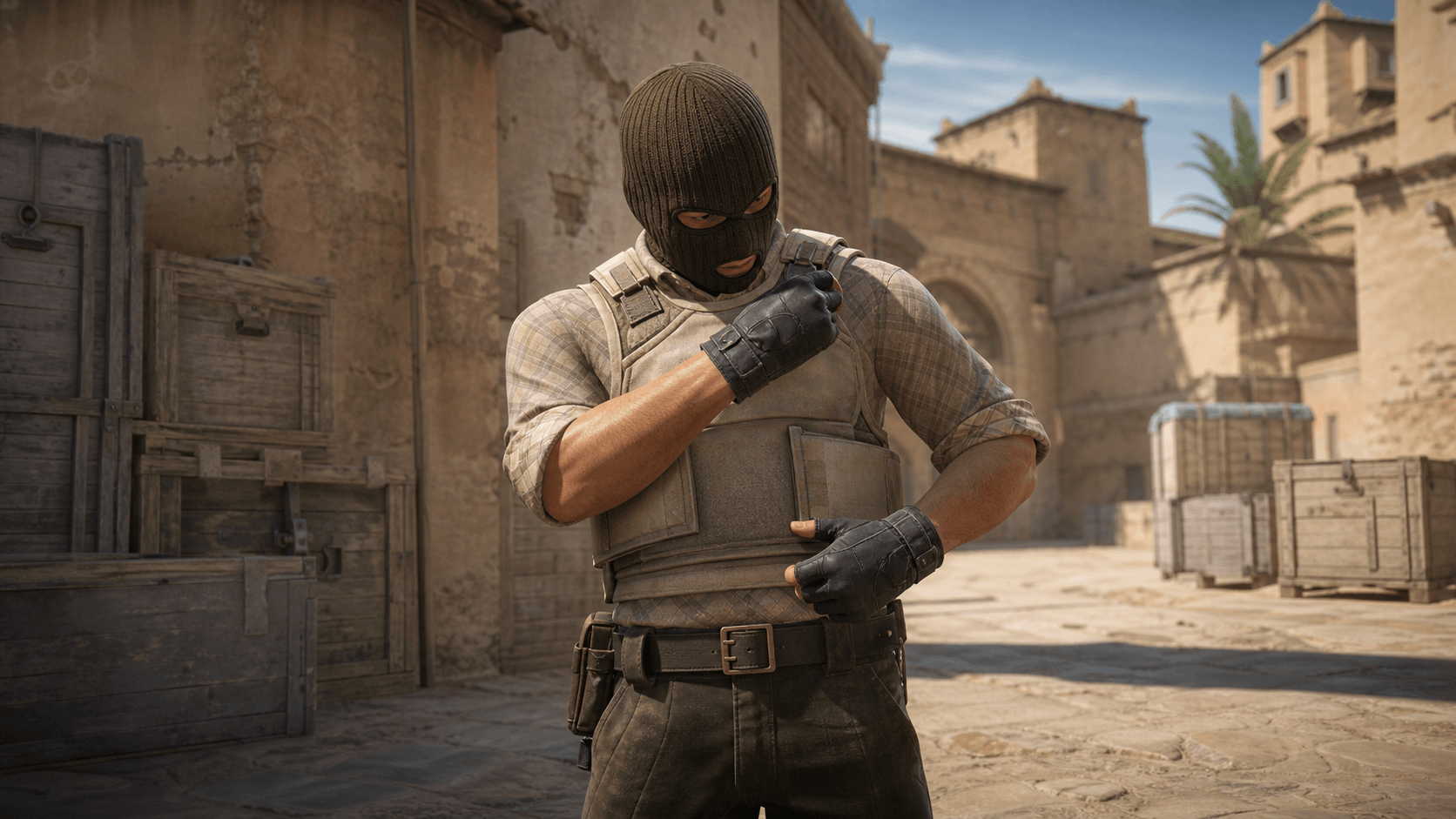
In CS2, a vest costs $650, while the vest and helmet package costs $1,000. Although the $350 difference may seem small, using it wisely over several rounds can provide a significant economic advantage, allowing you to buy a smoke, flash, defuse kit, or a stronger weapon.
In short, on the T side, a helmet is valuable against enemy M4s, SMGs, and pistols in most full buy rounds. On the CT side, if you are certain the enemy is carrying AK-47s and AWPs in a full buy round, buying only a vest can make sense; the AK-47 will kill you with a headshot at close and medium range even through a helmet. If there’s a chance the enemy is on eco or force buy, skipping the helmet is much riskier.
The Difference Between Vest and Helmet in CS2
The vest reduces a portion of incoming damage to the torso and arms, depending on the weapon’s armor penetration value. The helmet extends this protection to the head. Buying a helmet does not strengthen the vest’s body protection; it simply adds a separate layer of protection for the head.
| Purchase | Price | Provided Protection |
|---|---|---|
| Vest | $650 | Reduces damage to torso and arms, lowers aim punch. |
| Vest + Helmet | $1,000 | Adds head protection to vest’s body protection. |
| Helmet Upgrade | $350 | Completes missing helmet if you already have armor. |
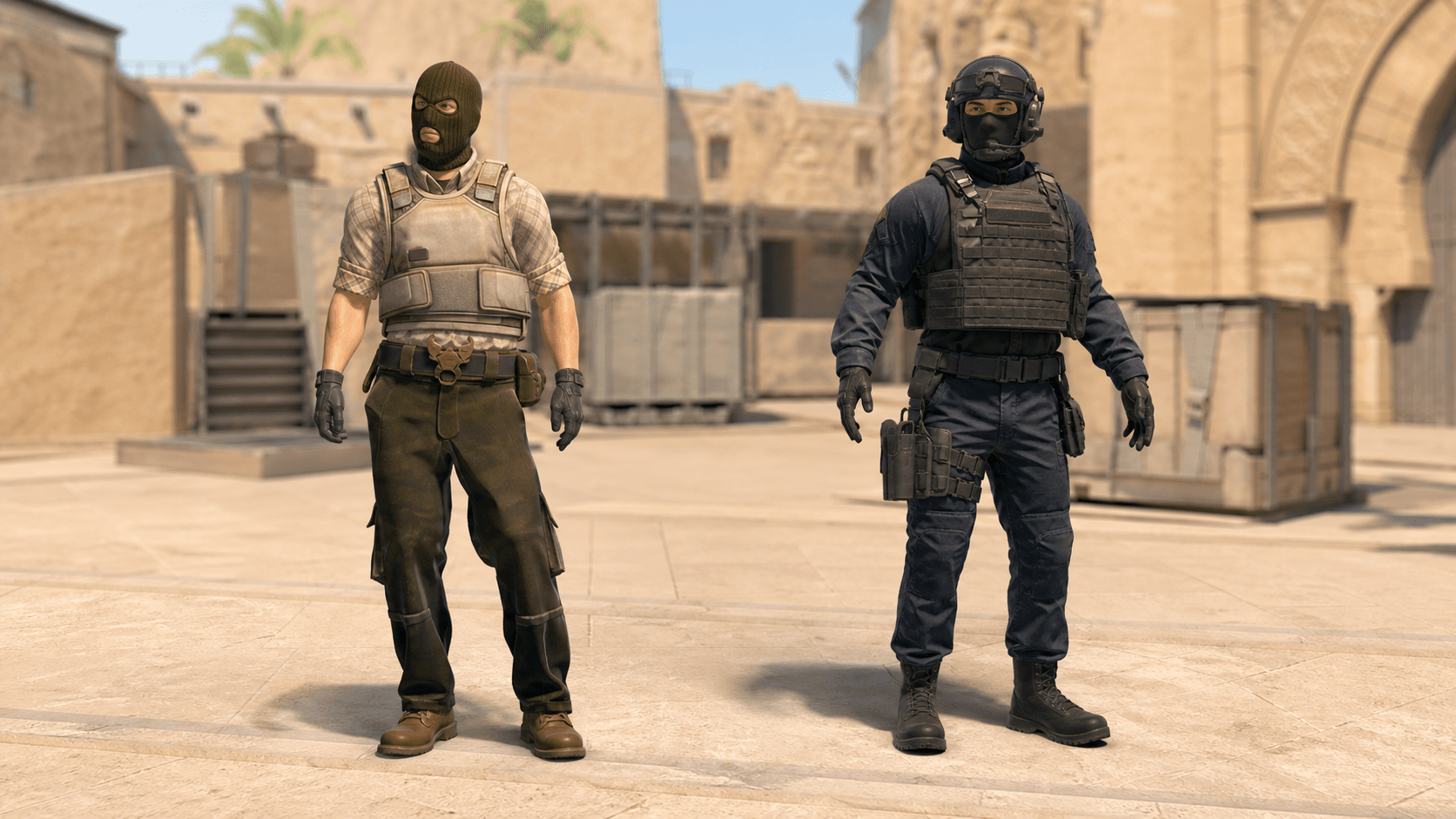
Vest or helmet does not affect movement speed, jump distance, or weapon recoil patterns. Your in-game character model does not change based on your armor purchase; you track armor and helmet status via the UI icons.
How Does Armor Work in CS2?
Armor value is not a second 100 HP bar added to your health. When an enemy weapon hits an armored area, part of the damage is subtracted from health, and part from armor durability. This distribution depends on the weapon’s armor penetration value.
For example, a vest absorbs more damage against weapons with low armor penetration. Against high armor penetration weapons like the AK-47, AWP, and SG 553, the health damage blocked by armor may be much more limited.
Having your armor value drop from 100 to 80 does not mean your vest works 20% worse per bullet. The protection calculation remains the same; the real risk is your armor being completely depleted during a fight. Therefore, buying a new vest after every small hit is usually a waste of money.
Armor’s Effect on Aim Punch
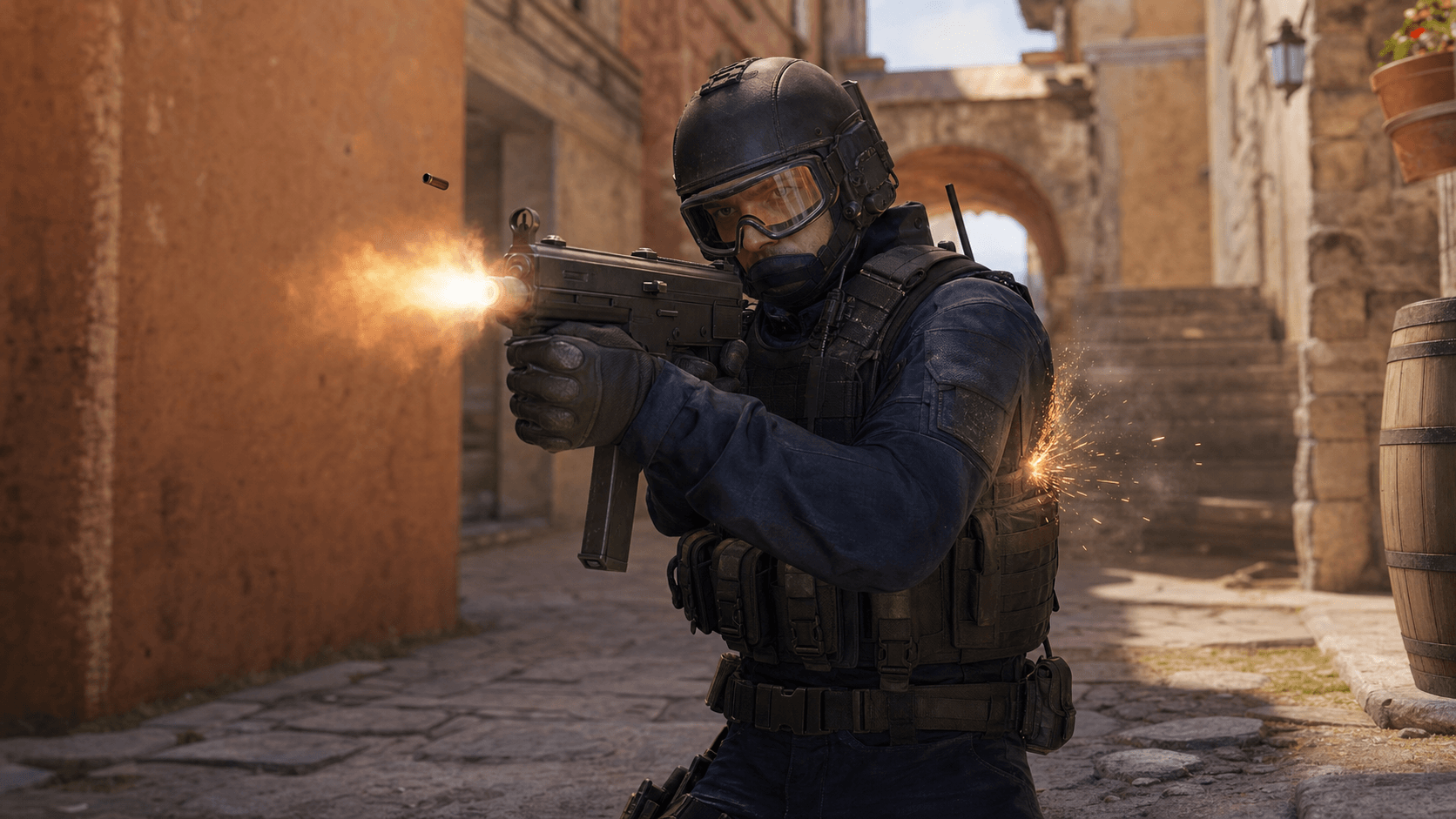
One of the most important advantages of armor is not just taking less damage. The aim punch effect—where your crosshair jerks up or sideways when hit—is significantly reduced by wearing a vest.
A player without armor may struggle to keep their aim on target after the first body shot. The vest makes it easier to return fire, especially in rifle and SMG duels. The helmet also helps maintain stability in headshots that don’t kill you outright.
What Damage Does the Vest Protect Against?
The vest does not provide the same result against every type of damage. The amount of protection depends on the weapon used, hit location, and armor penetration value.
| Threat | Armor Effect |
|---|---|
| Rifle, SMG, and pistol bullets | Reduces some damage to torso and arms. |
| HE grenade | Helps reduce explosion damage. |
| Knife attack | May reduce some damage depending on hit direction. |
| Molotov and fire | Vest does not provide reliable protection. |
| Fall damage | Not blocked by armor. |
| Leg shots | Legs are not considered armored areas. |
So having 100 armor does not make you a tank. If you remain exposed or face a weapon with high armor penetration, the vest only increases your chance of survival.
What Exactly Does the Helmet Provide?
The helmet can prevent some weapons from killing you with a single headshot. Against the M4A4, M4A1-S, SMGs, and many pistols, the helmet is highly valuable. Surviving the first headshot with a sliver of health can completely change the round.
However, not every headshot is stopped by the helmet. Weapons like the AK-47, AWP, SSG 08, and SG 553, which deal high damage or have high armor penetration, can kill a helmeted player with a single headshot at the right range. Therefore, the helmet decision should be based not only on your money but also on what weapons the enemy might buy.
When Should CTs Buy Only a Vest?
On the CT side, the most logical scenario for buying only a vest is when you are fairly certain the enemy is on a full buy and carrying AK-47s. Since the AK will kill you with a headshot regardless of a helmet, you can use the $350 for a smoke, flash, or defuse kit.
Buying only a vest can be considered in these situations:
- The enemy had several AK-47s survive the previous round.
- The T side’s economy clearly allows for a full buy.
- You can buy a critical smoke, molotov, or defuse kit instead of a helmet.
- Your team’s equipment plan requires this saving.
This is not a strict rule. The enemy may have Galils, MAC-10s, Tec-9s, or other pistols alongside AKs. If you can afford it and it doesn’t hurt your team’s economy, full armor is the safer option.
Why Is the Helmet More Important on T Side?
On the T side, the enemy’s main rifle options are the M4A4 and M4A1-S. These weapons cannot kill a helmeted player with a single headshot at most normal engagement ranges. Therefore, in full buy rounds on T side, the vest and helmet package is usually the right choice.
When the CT economy is broken, the helmet becomes even more valuable. Getting caught without a helmet against weapons like the MP9, FAMAS, Five-SeveN, P250, or USP-S can allow a cheap weapon to turn the round with a single headshot.
Armor Choice by Round Type
The armor decision should be made together with your team’s overall buy plan for the round. Not buying any vest when you buy a weapon is as much a mistake as automatically buying a helmet at the expense of essential grenades.
| Round Scenario | Sensible Choice |
|---|---|
| T pistol round | Vest if you’re entry; or utility depending on team plan. |
| CT pistol round | Vest or defuse kit + utility, depending on your role. |
| T full buy | In most cases, vest + helmet. |
| CT vs. enemy AK full buy | If money is tight, consider only vest. |
| Enemy eco or force buy | Vest + helmet is a strong choice. |
| Your own force buy round | Prioritize usable weapon and vest; helmet depends on enemy weapons. |
| Buying an AWP | At least vest for aim punch; helmet depends on side and enemy economy. |
Should You Buy Vest in Pistol Round?
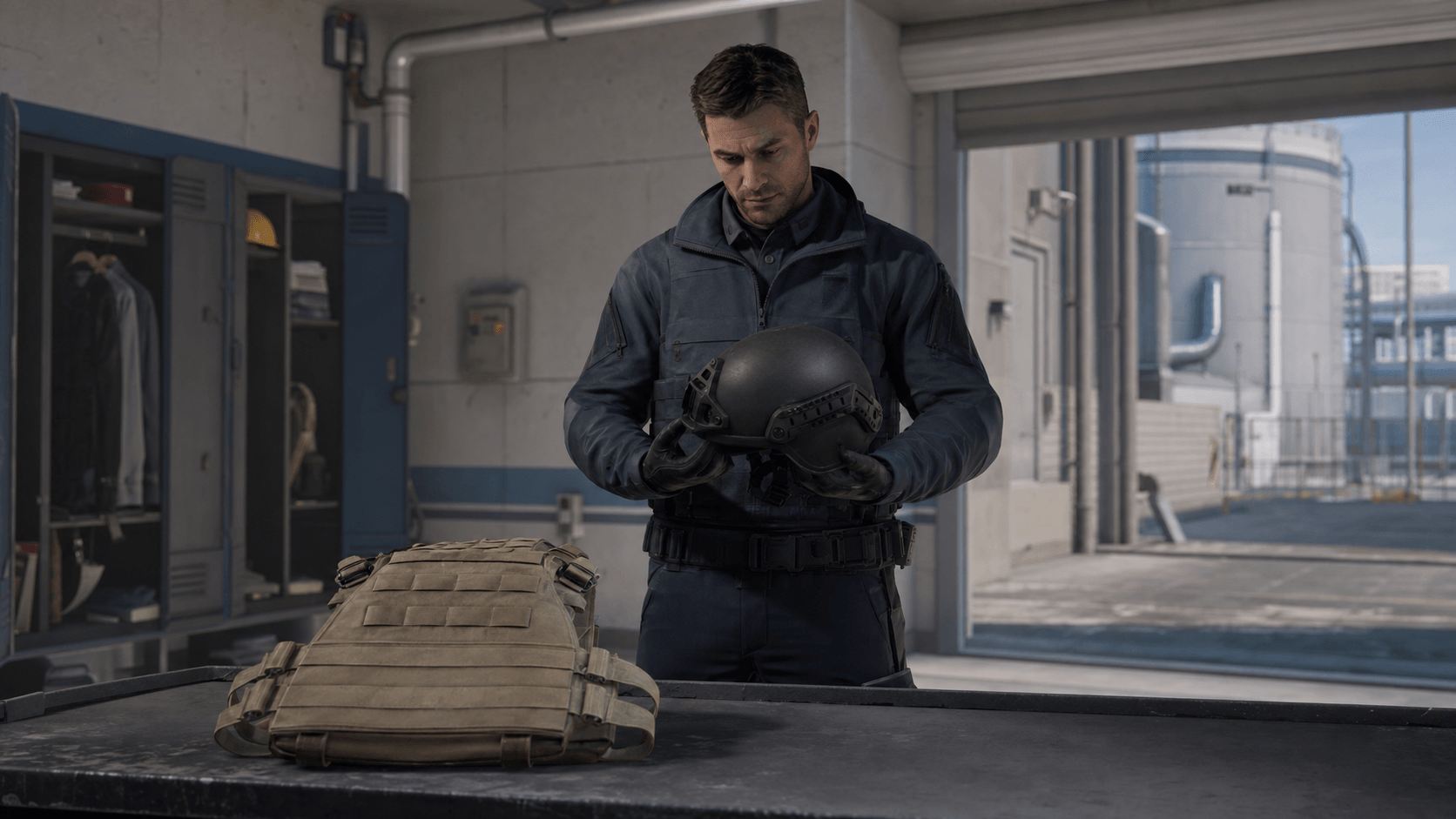
You cannot buy a helmet in the pistol round; the choice is between vest, a better pistol, utility, and (on CT) a defuse kit. Vest is strong for entry players who take the first contact, as it reduces body damage and aim punch.
However, not every player needs to buy a vest. On T side, a support player carrying smoke and flash can make site entry easier for the team. On CT side, having one player buy a defuse kit can be more valuable than a vest at the end of the round. The best decision depends more on the team plan than individual duels.
When Should You Refresh Armor?
You don’t need to automatically buy a new vest when you have 70 or 80 armor left at the end of a round. The damage reduction rate does not weaken just because the durability number drops. The same basic calculation applies until your remaining value drops to zero in the next fight.
A practical approach:
- 70 or more armor is generally safe to keep.
- In the 40–70 range, consider enemy weapons, your money, and your position.
- If you’re entering a full buy round with very low armor, refreshing is safer.
- If your vest is fine but you’re missing a helmet, consider if the $350 upgrade is worth it against enemy weapons.
- If refreshing means losing a smoke, kit, or team drop, reconsider your overall round plan.
There is no single fixed threshold that’s always correct. A player holding a site and constantly taking HE damage may need a different armor reserve than an AWP player holding from afar.
Common Armor Mistakes
The most common mistake is buying vest and helmet automatically whenever you can afford it. If you expect only AKs and AWPs on the enemy, CTs can spend that $350 on other equipment.
Another mistake is fully refreshing your vest when you still have 80–90 armor left. This purchase weakens your economy in most rounds without providing a real advantage. Conversely, skipping the helmet when you know the enemy is on eco gives cheap SMGs or pistols unnecessary opportunities.
Finally, don’t see armor as an individual decision. Five helmeted CTs holding a site without smokes are worse off than a team with balanced grenades and kits.
Quick Armor Decision Checklist
Before the buy time ends, ask yourself these questions in order:
- Which side am I on?
- Is the enemy likely to full buy, force buy, or eco?
- Can the enemy’s main weapon one-shot through a helmet?
- Is my current armor value enough for the next fight?
- If I buy a helmet, will I lose out on a smoke, flash, molotov, or defuse kit?
- Do I need to drop a weapon for a teammate?
This quick check leads to healthier economic management than automatically buying the same package every round.
Conclusion
Whether you should buy a vest or helmet in CS2 depends on the enemy’s economy and likely weapons. On T side, vest + helmet is the safe choice against M4s, SMGs, and pistols in most full buy rounds. On CT side, if you know the enemy is full buying AK-47s, you can save $350 by buying only a vest.
Your armor value dropping below 100 does not suddenly break your protection; so don’t refresh your vest after every hit. The best purchase is the one that increases your survival chances while also preserving your team’s grenades, kits, weapons, and future round economy.