CS2 VAC Live is one of the anti-cheat concepts that became more visible with Counter-Strike 2. Players often summarize the system as "the game is canceled if a cheater is caught during the match," but the subject is broader than that.
VAC Live, VACNet, reports, behavior signals, and account security are parts of the same ecosystem. This guide explains what VAC Live means, how it differs from VACNet, how the ban process can progress, and what users should consider without confusing the terms.
What Does VAC Live Mean?
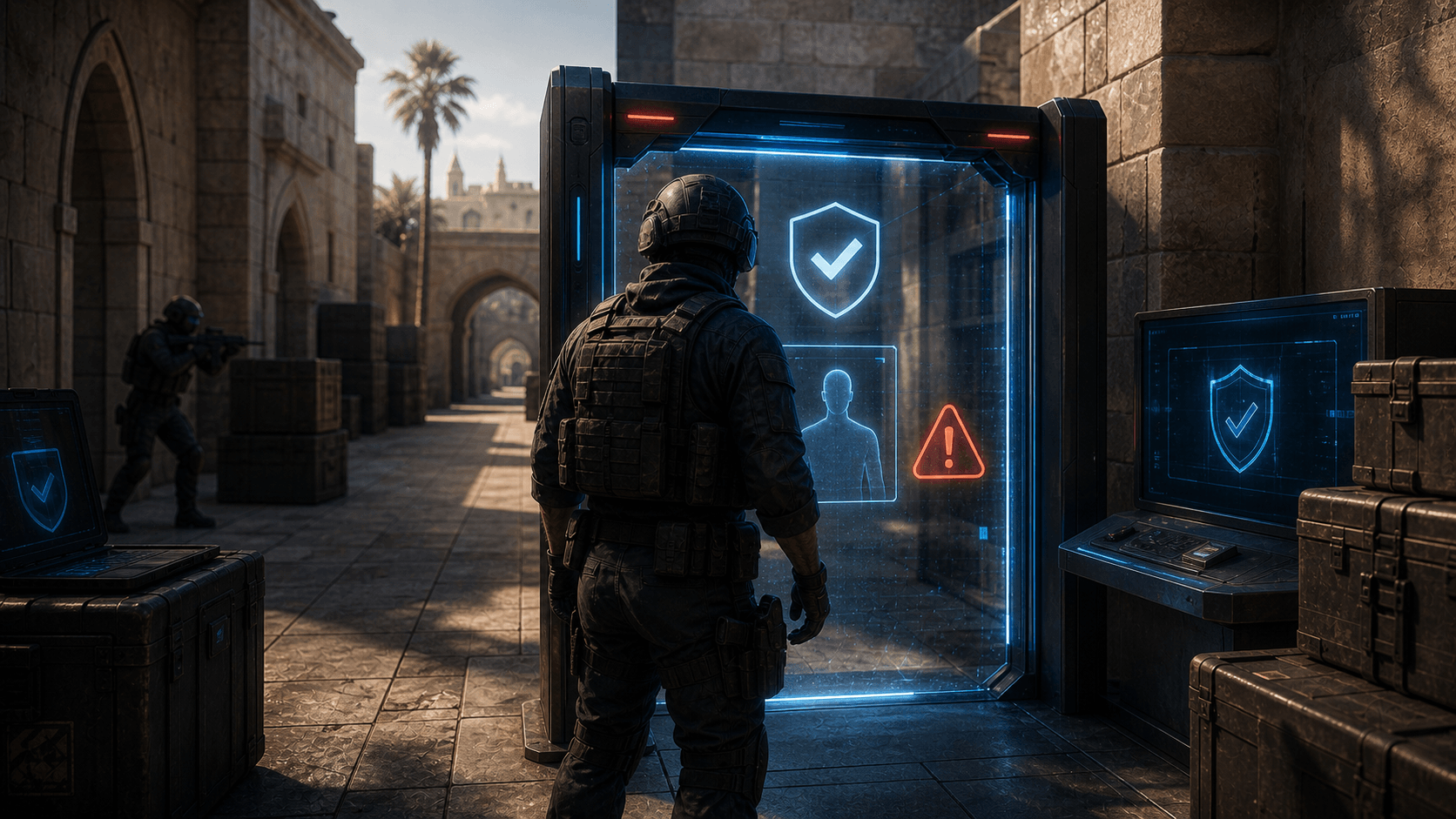
VAC Live refers to the system's ability to intervene when suspicious activity is detected while a CS2 match is in progress. This intervention does not always appear in the same way to players. It may result in a canceled match, enforcement applied later, or a reassessment of trust signals.
The important point is that VAC Live is not a magic switch working on its own. Signals from the game client and servers, report volume, behavioral patterns, and current anti-cheat checks all contribute to the process.
| Term | Short Description | What It Means for the User |
|---|---|---|
| VAC | Valve's anti-cheat infrastructure | The general name for detection and enforcement. |
| VAC Live | A layer that can act during a match | Becomes visible when suspicious matches are canceled. |
| VACNet | Analysis of behavior and game data | Evaluates aim, movement, and repeated suspicious patterns. |
| Reports | Player feedback | Not a decision by itself, but contributes to the signal pool. |
How Is It Different From VACNet?
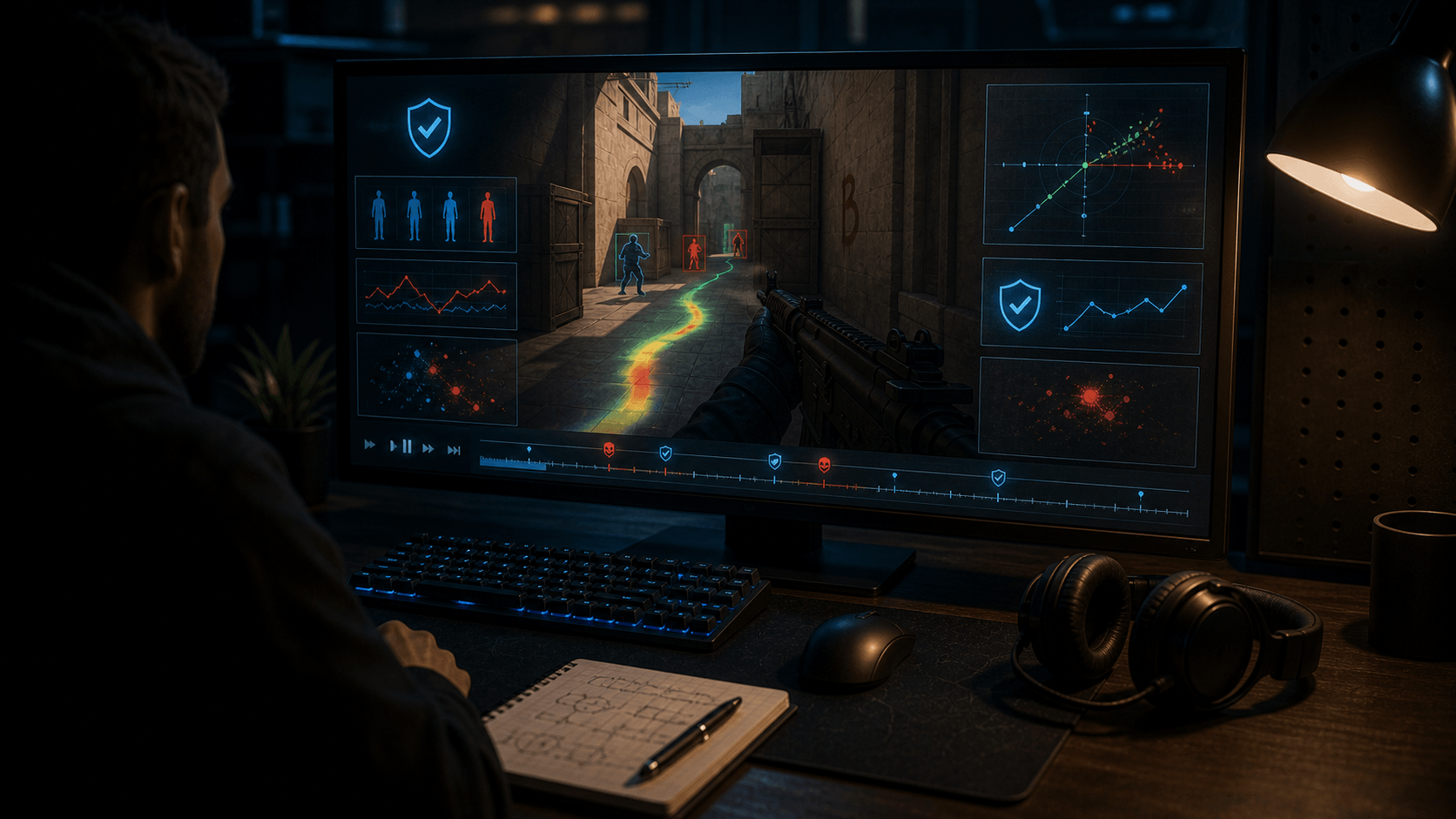
VACNet should be viewed primarily as an analysis system. It can evaluate a player's aiming behavior, reaction time, transitions between targets, repeated unusual movement, and similar patterns. VAC Live is associated with the visible effects these evaluations may have during a match.
It is therefore incorrect to think that "VAC Live started, so VACNet ended." A more accurate interpretation is that VACNet describes the broader analysis logic, while VAC Live describes an intervention layer that can become visible in a live match.
How Does the Ban Process Work?
Enforcement does not always have to be immediate or visible. Some players assume the system made an instant decision when a match is canceled, while others assume there is no longer any risk if nothing happens for a period of time. Both interpretations are incomplete.
Ban risk in CS2 can be evaluated in several stages:
- Suspicious in-match behavior and reports accumulate.
- New checks may be introduced after game updates.
- Some enforcement appears immediately, while other actions may be delayed.
- Account history and usage behavior can affect the overall risk profile.
For this reason, it is not reasonable to conclude that there is no problem simply because a match was not canceled. It is equally incorrect to assume that every reported player will be banned.
Where Does Risk Begin?
Risk is not limited to the software being used. How obvious the settings appear, what can be seen in a demo, in-game decisions, and the likelihood of receiving reports also matter. Hard aim locking, crosshair behavior that reveals knowledge through walls, and consistently perfect decisions with impossible timing attract more attention.
The following checklist is useful for understanding the risk factors described by the community:
- Follow official announcements and provider statements after major CS2 updates.
- Do not rush to test changes on a valuable account.
- Understand that highly visible aim, ESP, and movement behavior draws attention.
- Review demos for behavior that does not appear natural.
- Be skeptical of absolute promises such as a guaranteed lack of bans.
Common Misconceptions
The most common mistake about VAC Live is measuring the system only through match cancellations. A match continuing does not prove that no signal was generated. Similarly, assuming that player reports are the sole cause of every canceled match is an incomplete interpretation.
Another misconception is that one supposedly safe setting removes all risk. In CS2, risk is evaluated together with account value, match history, game updates, demo footage, and behavioral consistency. Continuing with old habits after a major update may create new signals the player does not recognize.
| Misconception | More Accurate Interpretation |
|---|---|
| There is no risk if the match continues. | Some checks may produce delayed results. |
| Everyone who receives many reports is banned. | Reports alone do not determine the outcome. |
| One setting solves everything. | Behavior and staying current also matter. |
VAC Live should therefore be understood as one visible layer in the CS2 security ecosystem rather than a single event. The most valuable approach is to avoid absolute promises and reassess risk after every update.
Conclusion
CS2 VAC Live is one of the visible in-match aspects of the anti-cheat system. VACNet represents the broader behavioral analysis logic. Treating them as the same thing makes the enforcement process harder to understand.
The most sensible approach is not to underestimate the system and to evaluate each update carefully. Risk in CS2 reflects a combination of software, settings, behavior, account value, and update awareness.