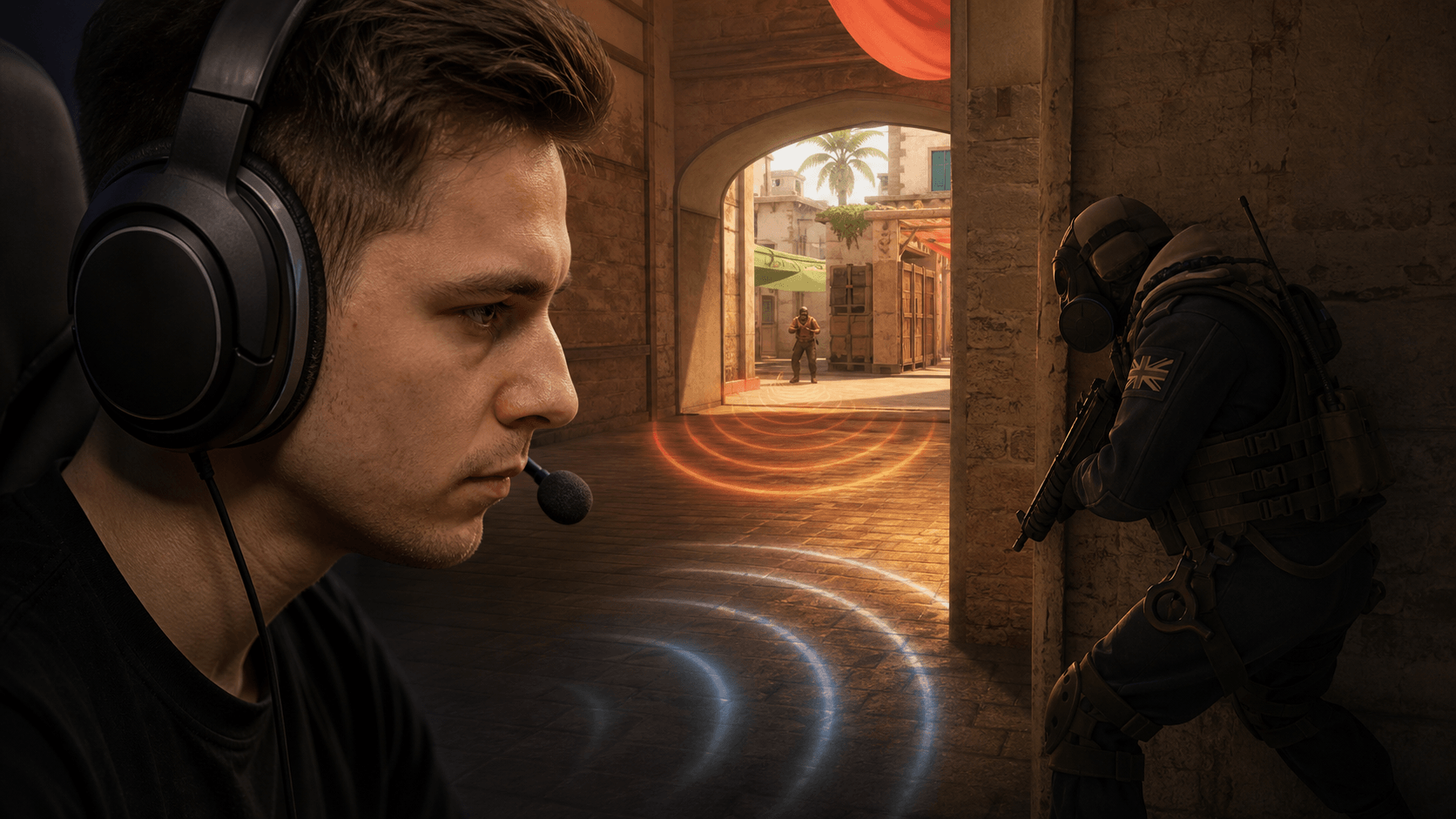
In CS2, audio is as critical as crosshairs. Most of the time, your ear will tell you first whether the opponent is running, climbing the stairs, setting the bomb for real or throwing a fake one. Good audio tuning reduces unnecessary noise and highlights important information.
But the aim here is not to turn the volume up all the way. Too loud sound causes fatigue, drowns out small details and reduces your attention during long matches. The right setting is a balance of clarity and comfort.
Basic In-Game Audio Settings
First, keep CS2's own sound menu simple. Directly selecting the headset you are using instead of leaving the output device as "Default" reduces confusion caused by Windows device switches.
| Setting | Suggestion | note |
|---|---|---|
| Master Volume | Between 60-80 | Level to be heard clearly without straining the headphones. |
| Audio Device | Headphones you are using | Reduces default device clutter. |
| EQ Profile | Crisp or Natural | Crisp can be tried for footstep and Natural for long match. |
| L/R Isolation | Medium-high level | It increases directional separation, but if overdone it can disrupt the natural feel. |
| Perspective Correction | Choose by testing | Some players feel more natural when it's on and sharper when it's off. |
| VOIP Volume | Enough to hear the team | It should not drown out the game sound. |
Do not change these settings once and leave them alone. Test it in different situations while watching Deathmatch, Premiere and demo. It is as important to correctly understand which direction the sound is coming from as it is to hear the footstep.
Clean Windows Side
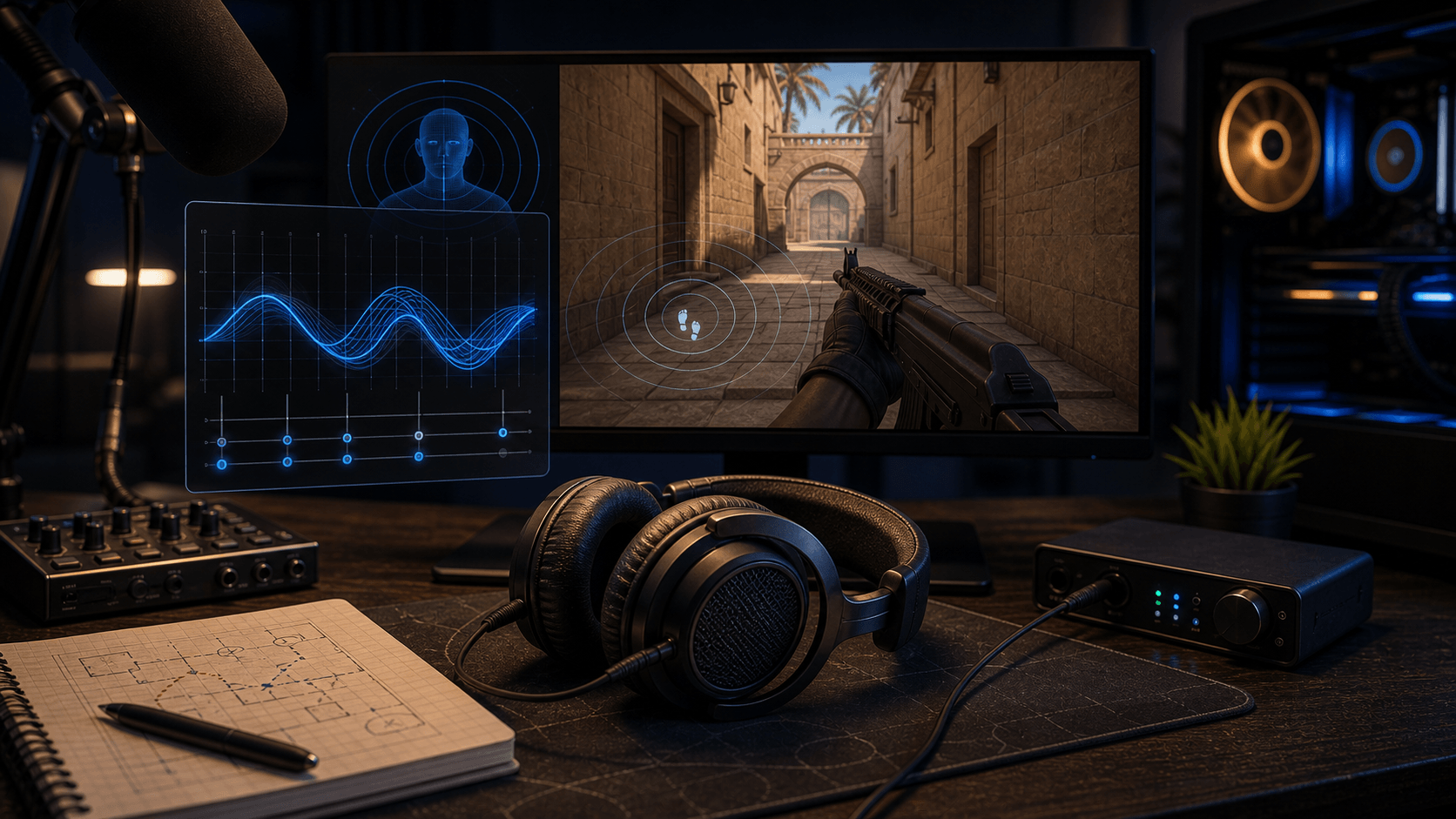
If you make good adjustments in CS2 and leave virtual surround, bass boost or aggressive headphone software turned on on the Windows side, the sound stage may be distorted. For competitive play, plain chain generally works better.
- Select the correct output device in Windows Sound settings.
- If enhancements or spatial sound are turned on, turn them off and test.
- Use flat or competitive profiles in headphone software instead of heavy bass profiles.
- If you're using noise canceling for the microphone, check if it cuts out your voice.
The character of each headset is different. Footstep discrimination may be difficult in headphones with strong bass; If the trebles of headphones are hard, fatigue increases during long matches.
Playing Habits to Hear Footstep
In-game habit is as important as the sound setting. A player who constantly runs, reloads unnecessarily, or interrupts a teammate's call misses information even with good headphones.
Especially during clutch moments, use this order:
- If you are not shooting, remain silent for a short time.
- Separate clues such as the sound of the bomb, the sound of running and the sound of the scope.
- If your teammate is dead, get the latest information first instead of speaking immediately.
- Do not allow two people to call at the same time; Let the player with the most clear information speak.
Do not make a decision based on footstep knowledge alone. Combine with radar, team position and round time. For example, hearing a run on side B does not mean that the entire team is on side B; It may be fake.
Microphone Settings
Good microphone setting directly helps the team win the round. If your voice is too low, information will be delayed, and if it is too loud, it will drown out the team's game sound.
When testing the microphone in CS2, look for these three things:
- Are the words clear?
- Does keyboard noise drown out speech?
- Is there an echo when Discord and in-game voice are on at the same time?
Using push-to-talk is cleaner for most players. If you are using an open microphone, fan noise, keyboard noise and room noise may tire the team throughout the match.
Voice Reading on the Map
Sound information varies depending on the map. The sense of echo and distance is different in areas such as Mirage market, Inferno banana, Nuke ramp or Ancient cave. Therefore, instead of just practicing aim, also practice sound on the map.
Open a private lobby with a friend and test running, walking, jumping, stair and drop sounds on different surfaces. This few minutes of work will help you answer the question "Is it close or far?" in the match. accelerates your decision.
Conclusion
The goal in CS2 audio settings is not to amplify everything, but to hear important information clearly. When simple Windows tuning, accurate EQ profile, controlled L/R separation and clear microphone communication work together, your round reading power increases dramatically.
The less tired your ear gets, the more valuable that little footstep you hear in the last round will be.